



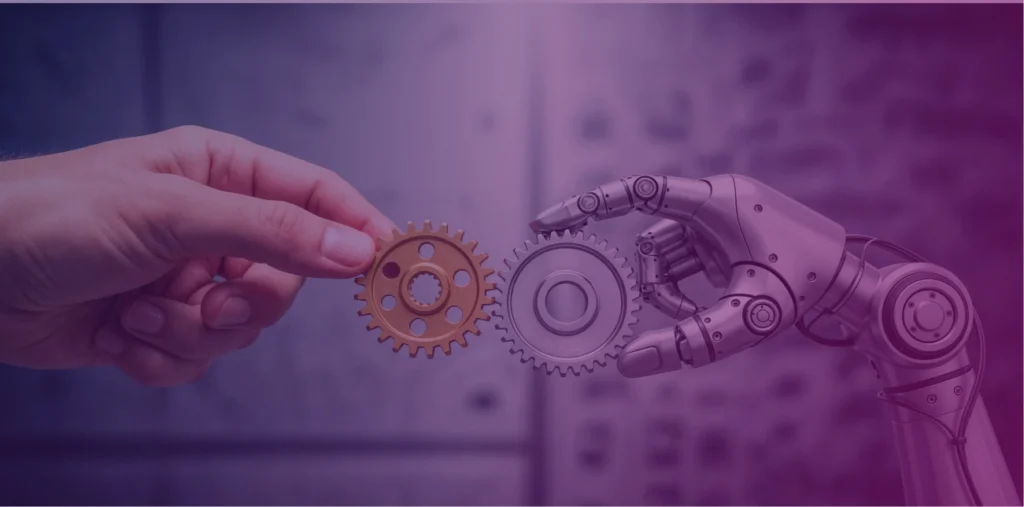
Automation has changed how decisions get made. Companies use algorithms for everything now, spotting fraud, sorting through job applications, delivering services, and managing government cases. These systems process information at a speed and scale that would be impossible for any team of humans.
And yeah, it works. It’s fast and handles volume like nothing else.
But there’s something we keep getting wrong: automation isn’t a replacement for human thinking. It needs human thinking to work properly.
Effective decision-making requires a partnership, where algorithms handle scale and consistency, and people provide context, ethical reasoning, and accountability. Organizations should establish clear oversight protocols, ensuring that every automated decision can be reviewed, challenged, and improved by human experts.
Algorithms Aren’t Magic
One of the biggest myths about automated systems? That being “data-driven” makes them objective.
Here’s the reality: algorithms learn from history. And history is messy. It includes every bias, gap, and mistake that humans have made before.
A system approving loans might favour the same types of people who got approved before, even if those past decisions weren’t fair.
A tool screening resumes might rank candidates based on what worked ten years ago, which might not reflect what actually matters now. A government algorithm might miss entire groups of people who were left out of the original data. This doesn’t mean we throw automation out. It means we stay involved.
Machines Miss What Matters
Automated systems are great at being consistent. They follow the same rules every time, which is exactly what you want for processing thousands of cases.
But they’re terrible at understanding context.
Think about someone working in social services, reviewing whether someone qualifies for help. An algorithm might see a missing data point and say “no.” A person sees the whole picture, for example, maybe someone just lost their job, or they’re dealing with a family situation that doesn’t fit the standard categories, or there’s a language barrier making things harder.
The best systems don’t cut people out. They give people back their time so they can focus on the decisions that actually need human judgment.
People Trust People
When someone’s applying for benefits or trying to access a service, they need to trust the process.
They’re asking themselves:
- Does anyone understand what I’m dealing with?
Having people in the loop creates accountability. It gives someone a path to ask questions, challenge decisions, and actually be heard. That’s what builds trust, not just in the technology, but in the organization using it.
Getting Automation Right
The organizations doing this well aren’t asking “human or machine?” They’re asking, “How do we use both?”
When you keep people involved, automated systems become:
- Fairer
- More adaptable
- Better at handling exceptions
- Easier to trust
This isn’t about slowing things down or doubting technology. It’s about designing systems where machines do what they’re good at, handling volume and speed, while people do what they’re good at, making judgment calls that affect someone’s life.
Want to build automation that actually strengthens your decision-making? Let’s talk about finding the right balance between technology and human judgment. Contact ThoughtStorm today!