



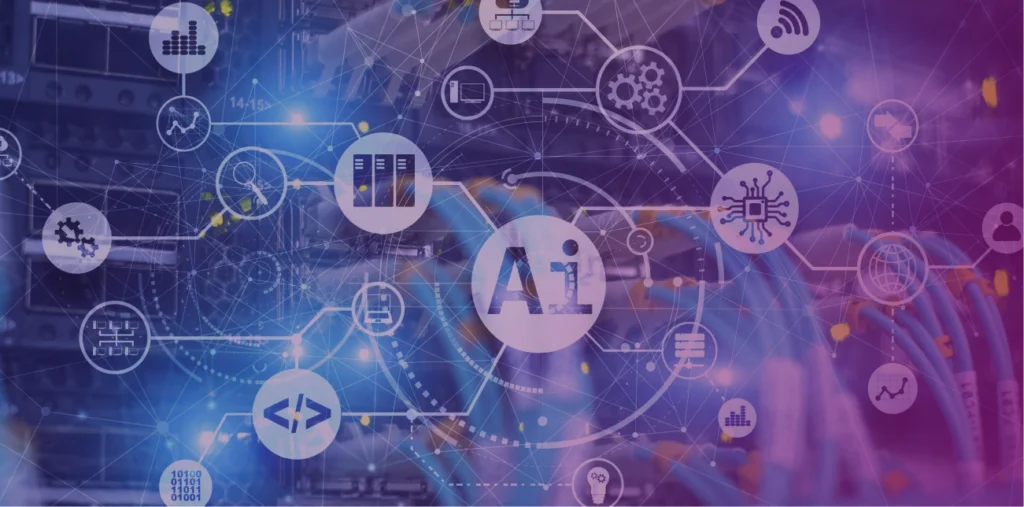
For years, we’ve talked about digital transformation like it was a destination. Somewhere organizations would eventually “arrive” once the right technologies were in place. But the truth is, transformation isn’t a finish line. It’s a moving target. And right now, that target is being completely reshaped by the convergence of AI, IoT, and edge computing.
Today, one convergence is redefining that target entirely: AI + IoT + Edge Computing.
Individually, each technology is powerful. Together, they form an intelligent, self-optimizing ecosystem that makes real-time decision-making not just possible, but routine.
Cities become smarter. Hospitals respond faster. Factories self-adjust. Organizations make decisions at the speed of the real world, not at the speed of a distant cloud server.
Below is why this intersection matters and what it means for the future.
AI, IoT, and Edge: Three Technologies, One Ecosystem
IoT: The Eyes and Ears of the Physical World
Internet-connected sensors and devices are everywhere. In buildings, vehicles, machines, and yes, even coffee makers. IoT is responsible for collecting one thing: raw, unfiltered, real-world data.
AI: The Brain that Understands and Predicts
AI gives meaning to that data. It looks for patterns, detects anomalies, predicts outcomes, and helps people (and machines) make smarter decisions.
Edge Computing: The Nervous System that Reacts
Edge brings computation closer to where data is generated. That means decisions can be made instantly, locally, and securely, without waiting for the cloud.
When these three forces combine, you get a system:
Devices sense → Edge analyzes → AI decides → Systems act.
Why This Convergence Is a Game-Changer
1. Real-Time Decisions Finally Become… Real-Time
In industries like healthcare, transportation, and manufacturing, milliseconds matter. Think about a self-driving car detecting a pedestrian. Or a power station adjusting output when it senses demand surges. Or a hospital device alerting clinicians before patient vitals crash.
If every decision had to travel to the cloud and back, it would be too slow. With AI + IoT + edge, decisions happen where the data is, without delay.
2. Lower Costs, Higher Efficiency
Sending massive volumes of IoT data to the cloud is expensive. Processing everything centrally is slow. Storing it all is impractical. Edge computing reduces bandwidth usage and cloud costs by processing data at the source. AI then optimizes operations by predicting failures, reducing waste, and improving uptime.
It’s intelligence and efficiency working together.
3. Stronger Security and Privacy
In many environments, shipping sensitive data off-site isn’t an option. With edge + AI, data stays local. Only high-value insights go to the cloud. Attack surfaces shrink. Compliance becomes easier. This is especially critical for government, healthcare, and public sector organizations where privacy is non-negotiable.
4. The Future Is Autonomous, And Autonomy Needs This Trio
Autonomous systems, from vehicles to drones to manufacturing lines, rely on fast processing, predictive intelligence, and continuous sensor feedback.
AI alone can’t deliver autonomy. IoT alone can’t. Edge alone can’t. But together, they create the foundation for systems that operate with minimal human intervention and, in some cases, surpass human speed and accuracy.
Where We’re Already Seeing This Transformation
Smart Cities: Traffic lights that adapt to congestion. Sensors that detect water leaks before they cause damage. Public services that respond instantly to environmental changes.
Healthcare: Edge-powered AI monitors patients in real time, helping clinicians intervene earlier and improve outcomes.
Manufacturing: Factories are shifting from reactive maintenance (“fix it when it breaks”) to predictive models that keep everything running like a well-oiled machine.
Public Sector IT: Everything from emergency response to infrastructure monitoring becomes faster, smarter, and more resilient.
The Human Side: This Isn’t Just About Machines
Behind every sensor, every AI model, and every edge device is a human problem we’re trying to solve. Keeping communities safer. Improving healthcare outcomes. Optimizing public services. Reducing downtime that costs millions. Giving people more time, more insight, and more control.
Preparing for What’s Next
The organizations that win in this new era aren’t the ones with the most data. They’re the ones who know how to act on it fast, securely, and intelligently. That means modernizing infrastructure for edge readiness. Using AI responsibly and transparently. Building IoT ecosystems that scale. Investing in teams that understand the intersection, not just the individual tools.
Let’s talk about what’s possible for your organization. Contact our team today to start the conversation about building your intelligent edge ecosystem.